| Home | The Lives of Velnin | Illustrated Fiction | Malfoid Art & Fiction | Book Blurbs | Contact |
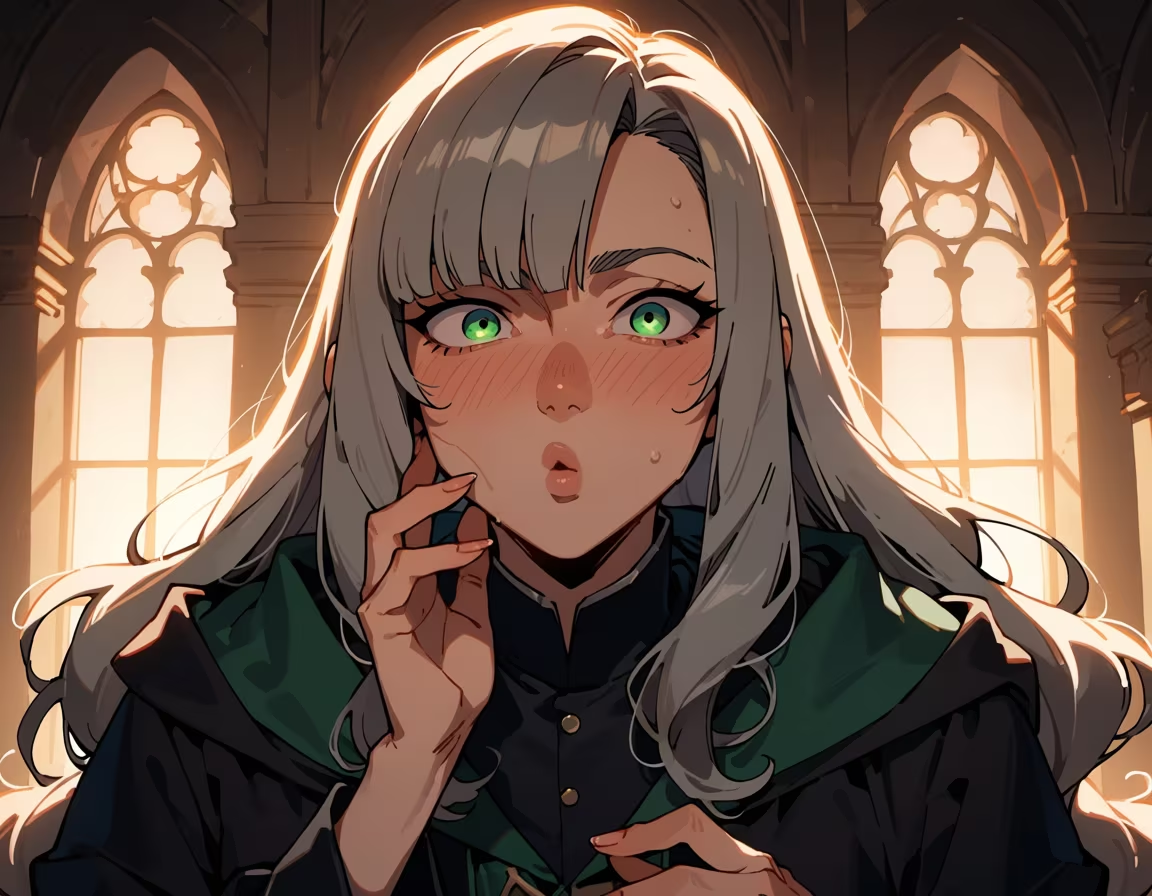
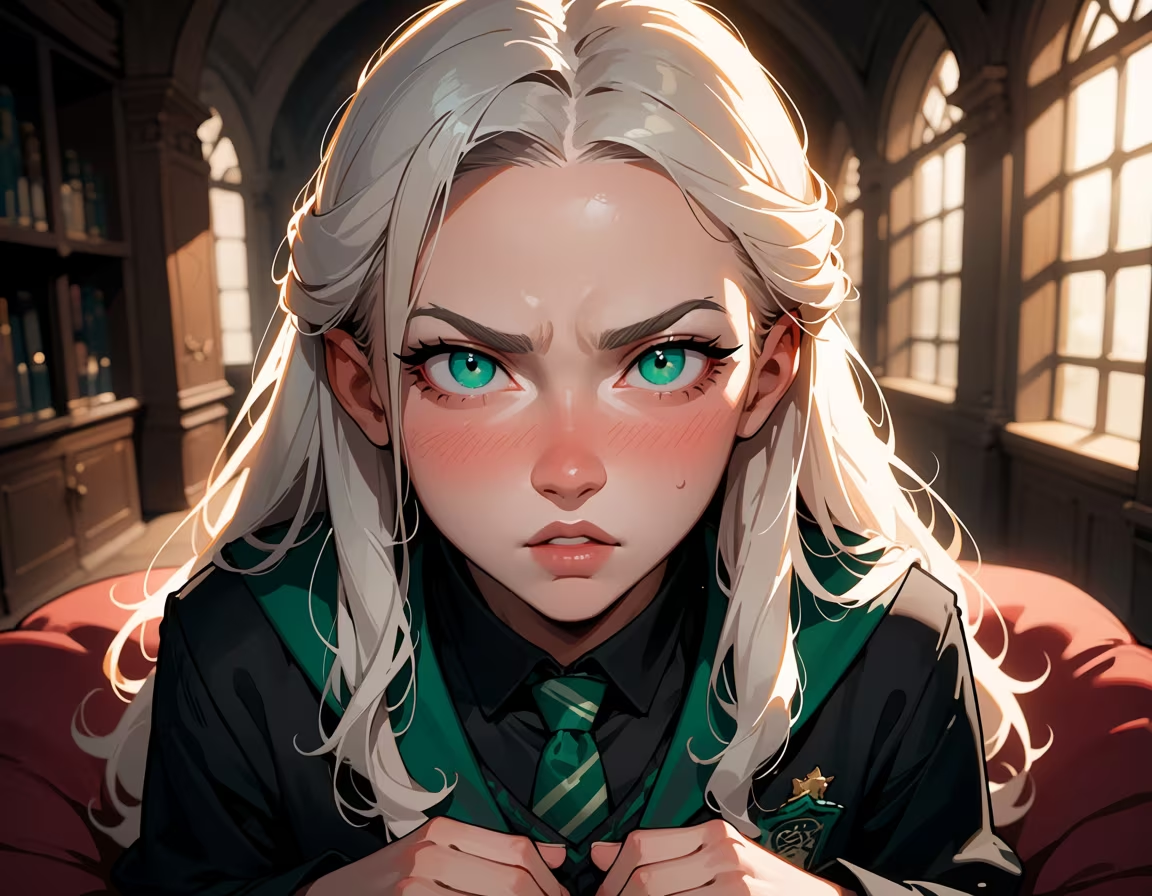
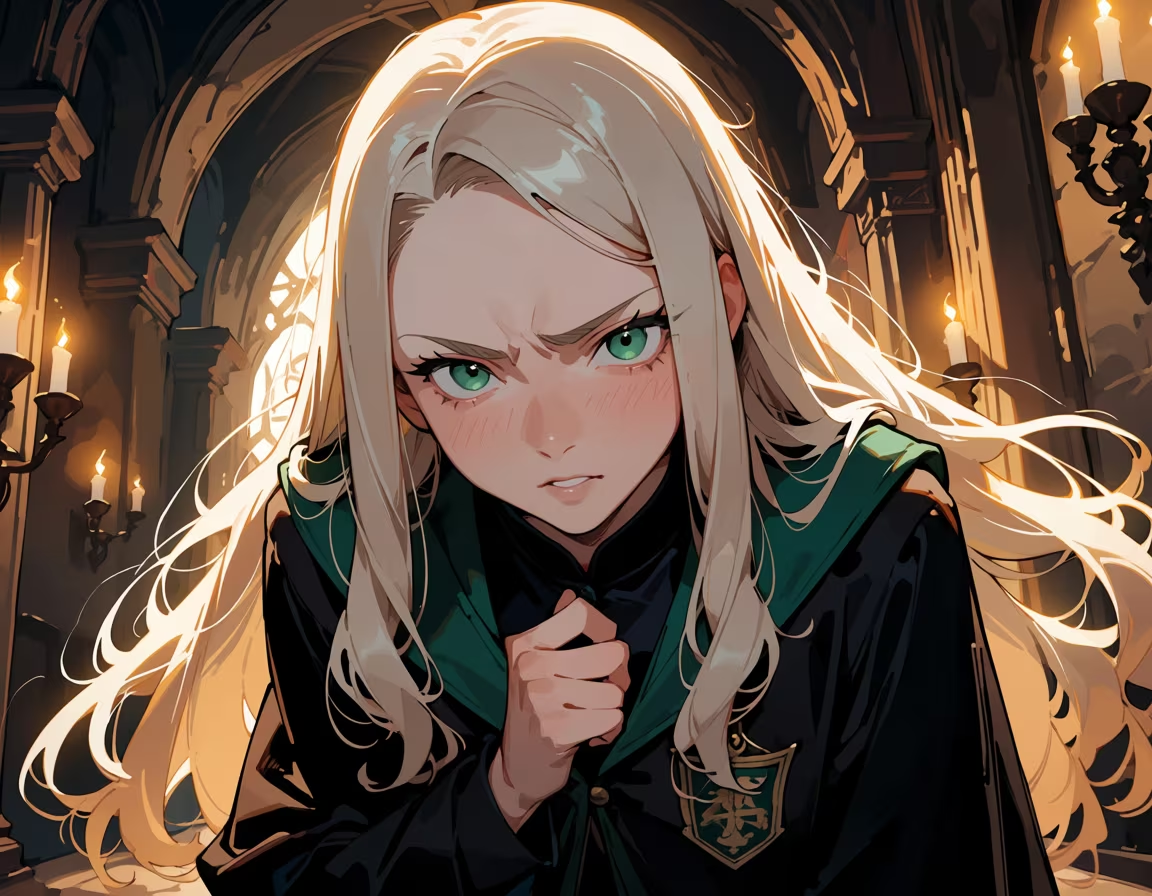
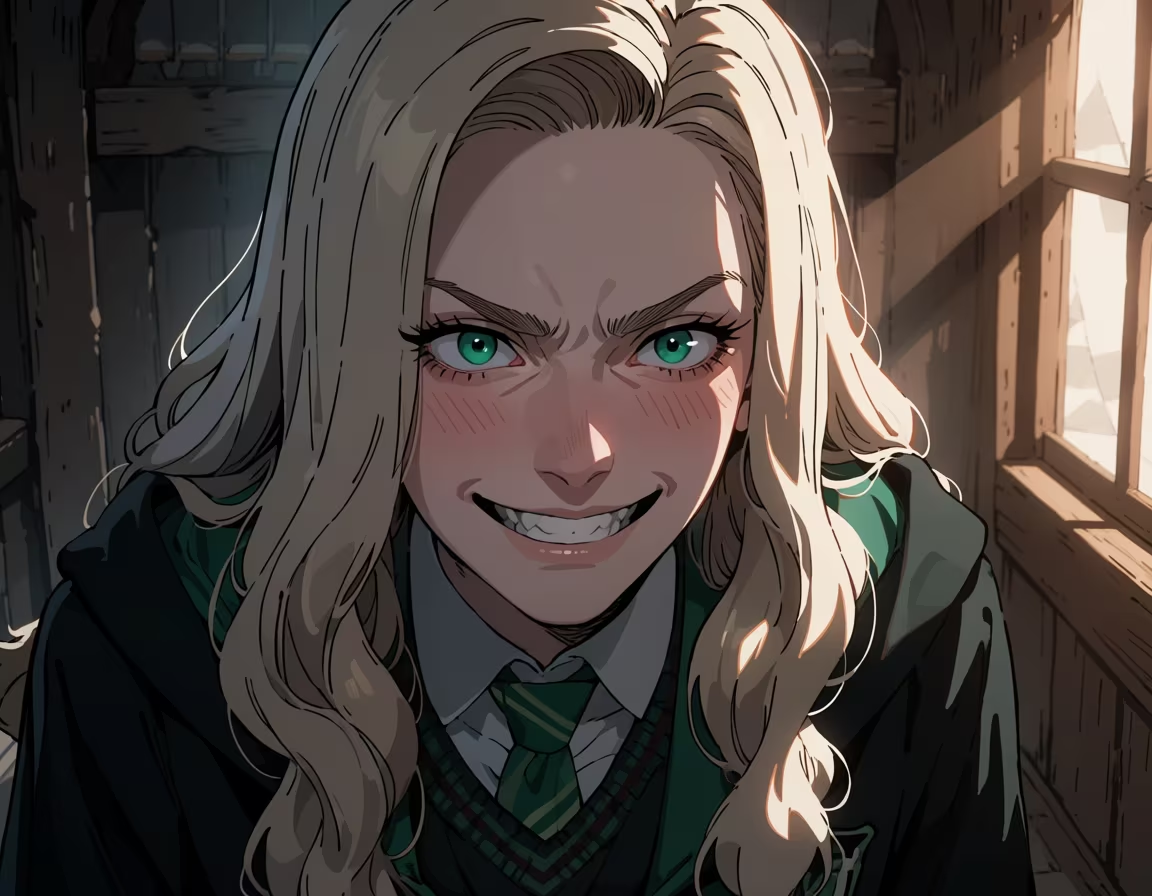
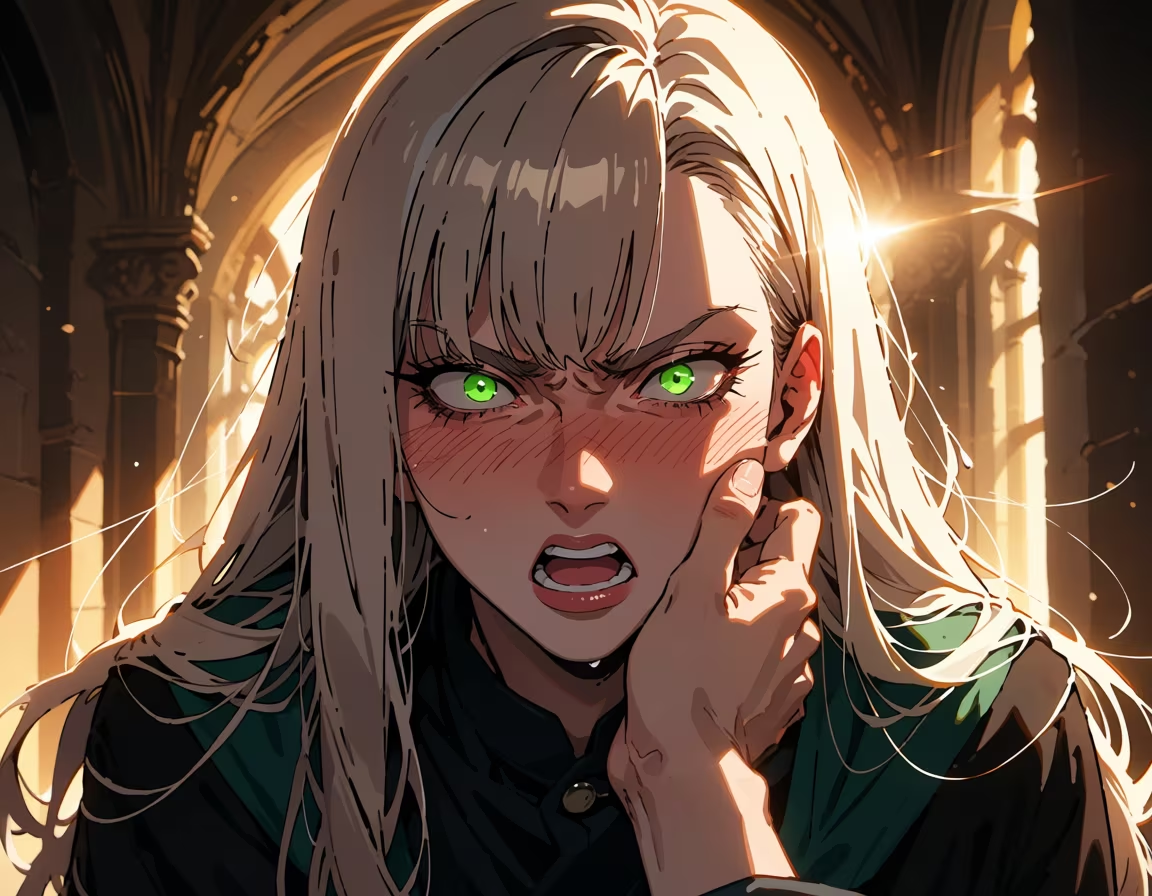
The damp, cool stone of the corridor seemed to press in on her, smelling faintly of ancient parchment and winter rain. She stumbled, breath ragged, the adrenaline of the confrontation still humming like a taut wire beneath her skin. Her black robes, usually so immaculate, were slightly askew, a single fleck of dust clinging stubbornly to the rich, emerald green trim near the cuff.
Harry.
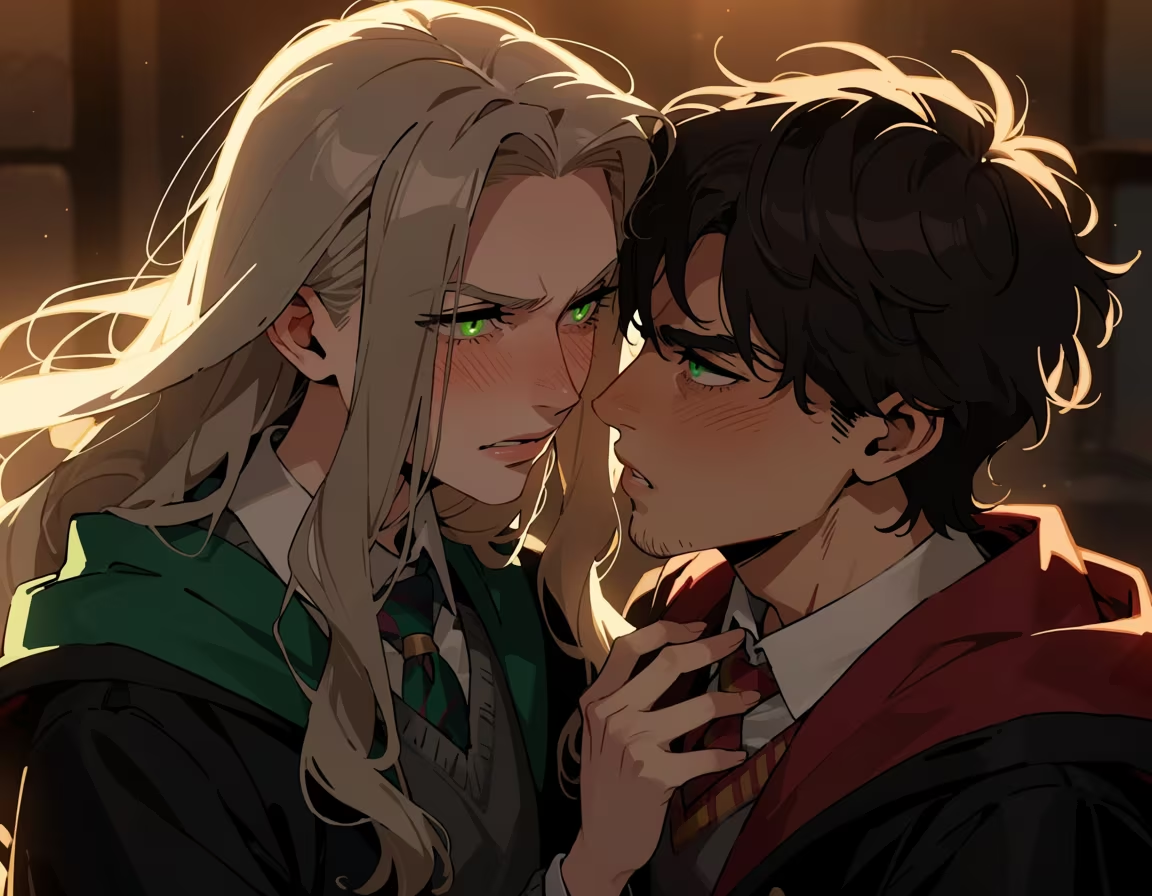
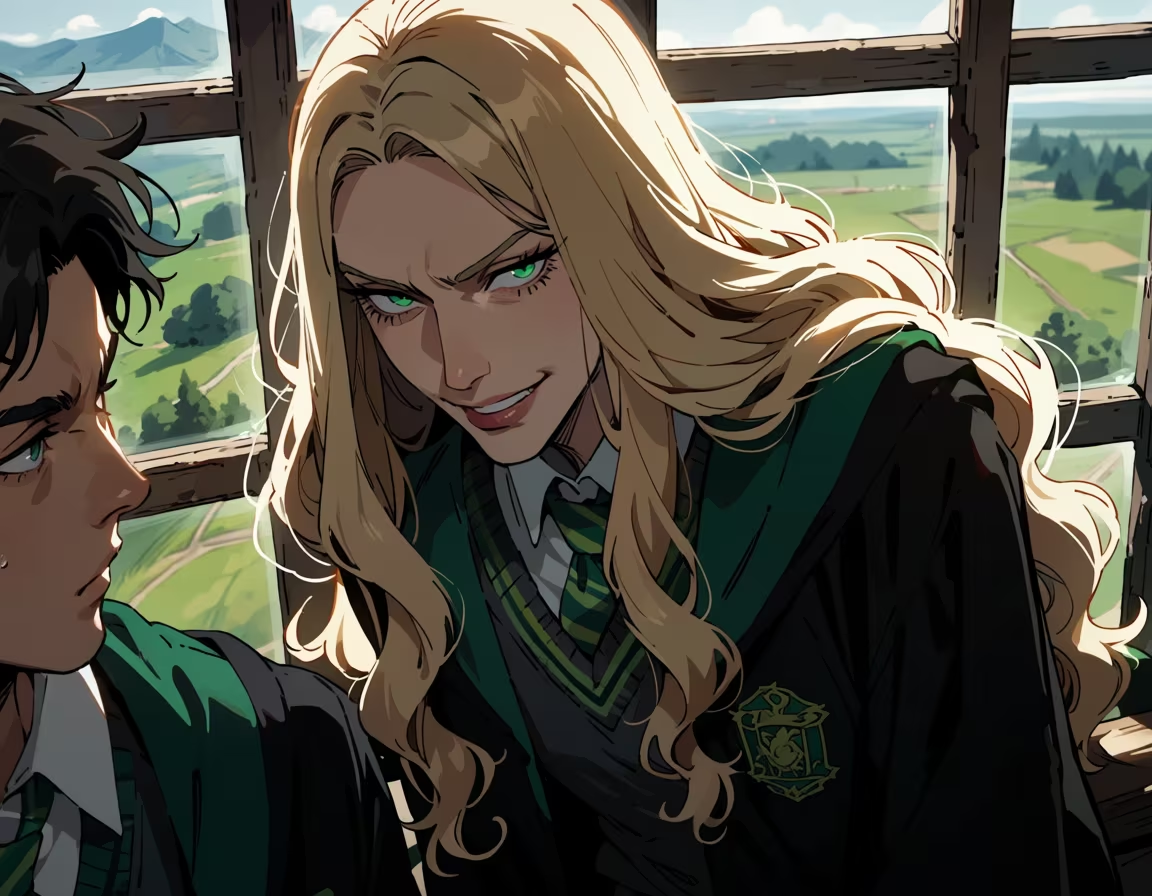
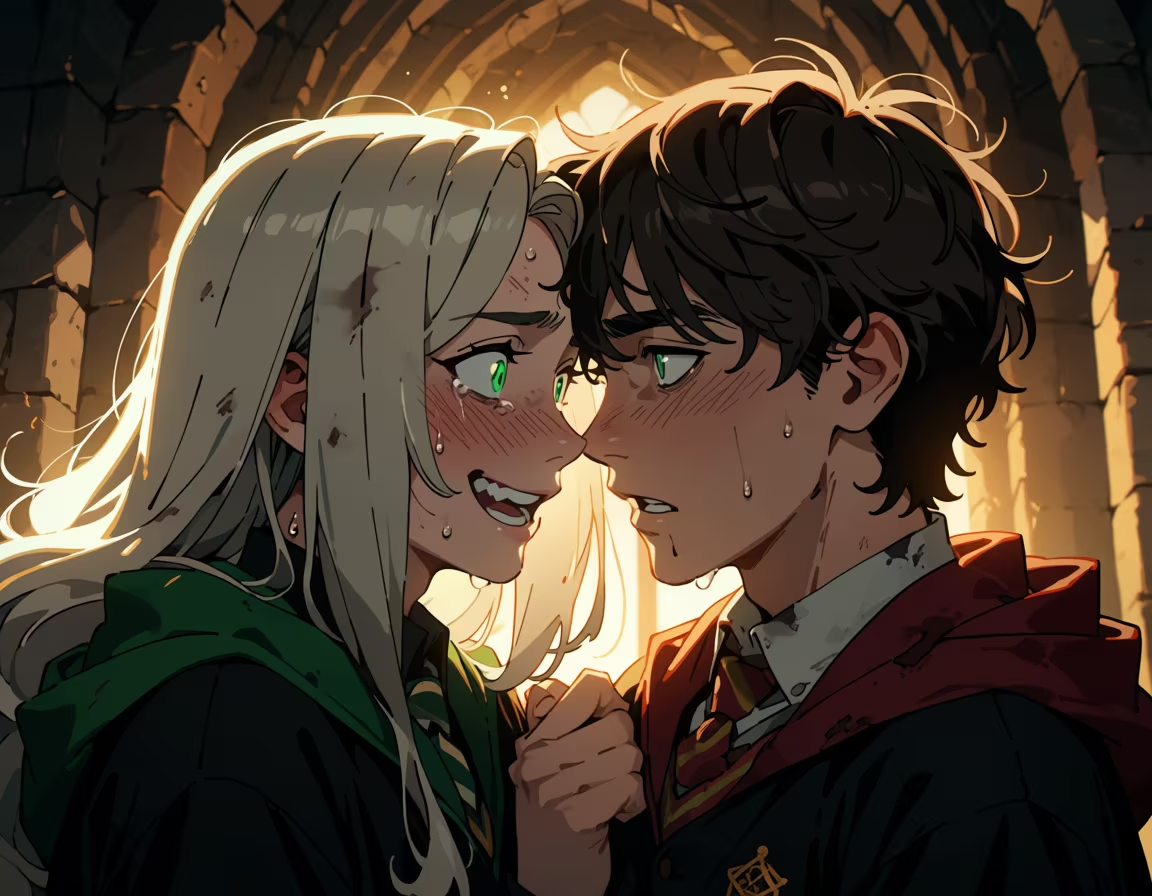
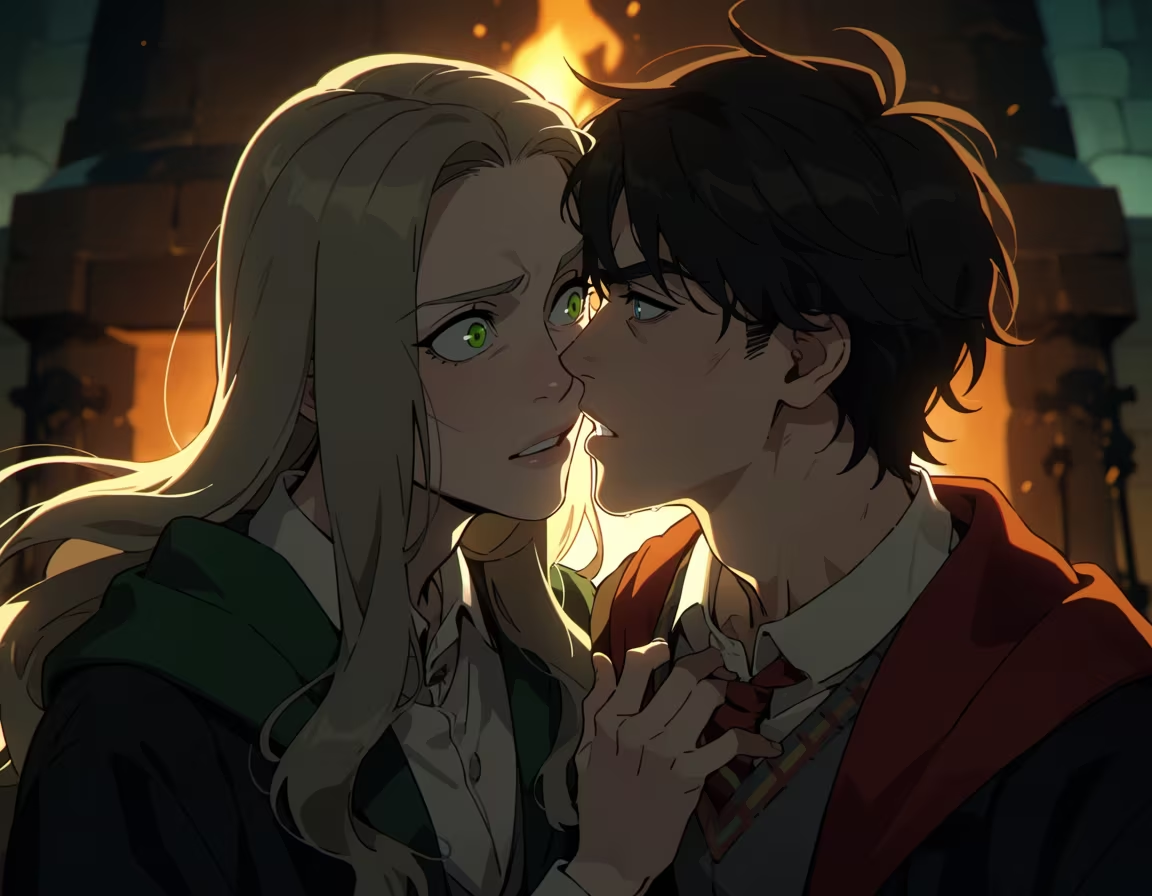
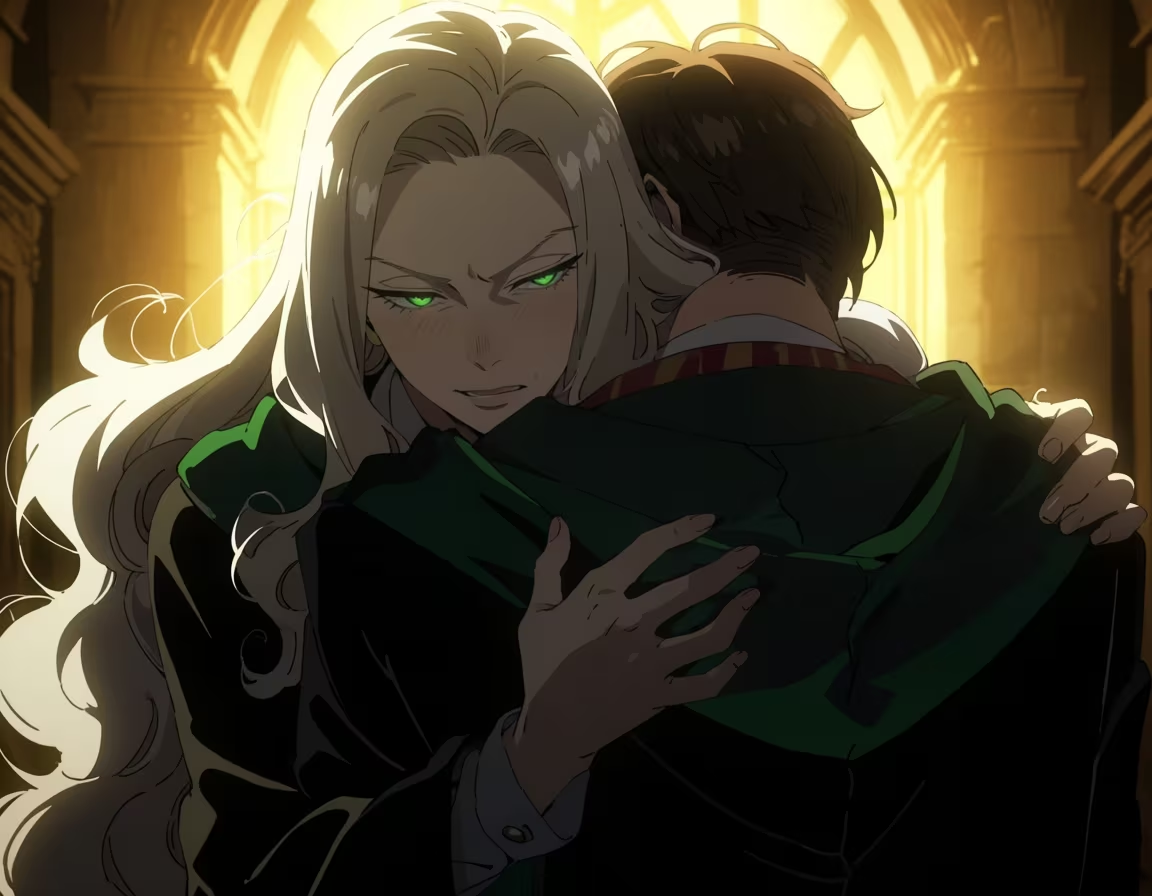
The very thought of his name felt like a sharp, sweet sting against the back of her throat. He had caught her just as she was bolting, his hand—strong, warm, undeniably Gryffindor—clasping her upper arm. His eyes, those impossible, vibrant emeralds that seemed to absorb every stray beam of light, had been fixed on her with an expression that was pure, unadulterated exasperation, yet underneath that, she had seen something far more frightening: profound, aching concern.
“Draconia,” he had murmured, his voice low, a register that always made the carefully constructed walls of her disdain crumble just a fraction. “Why? Again?”
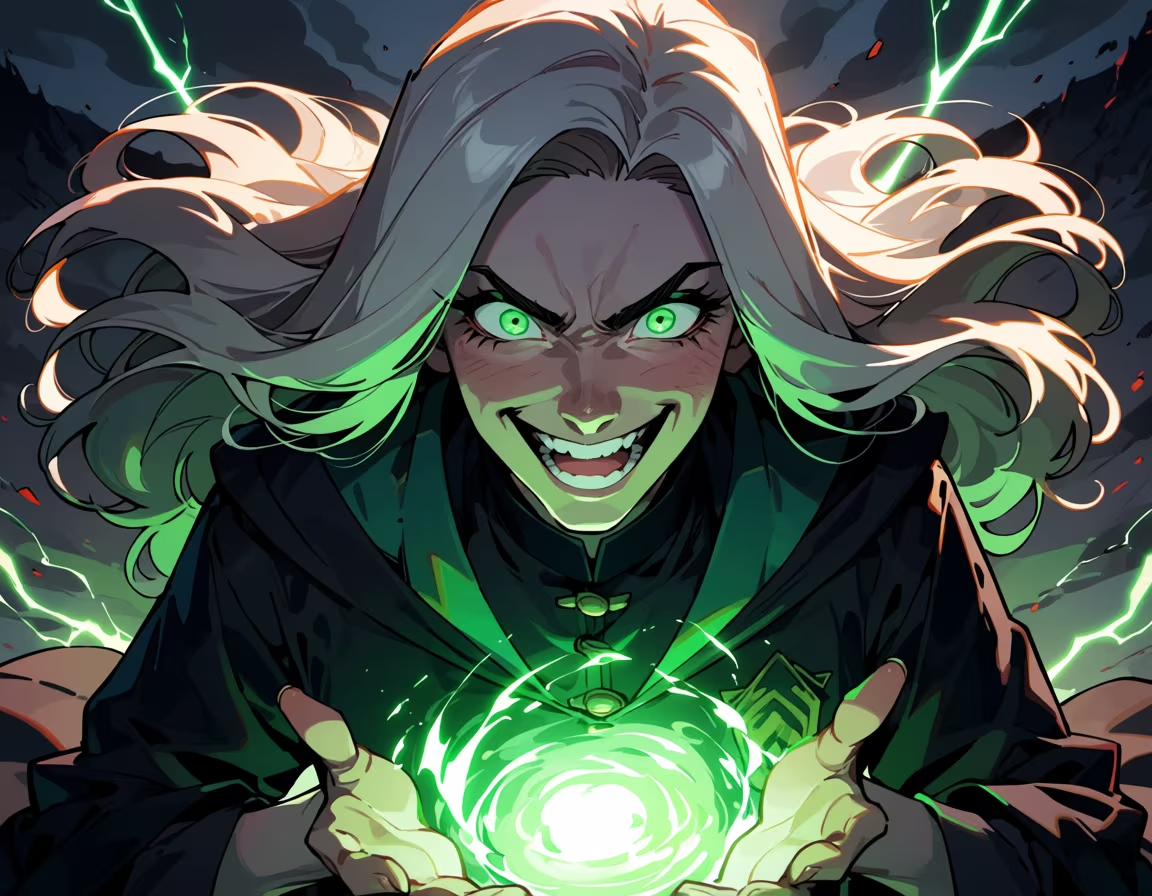
Why? The question was a blade, precise and perfectly aimed. Because she was afraid. She was terrified of the Dark Lord’s casual cruelty, terrified of the fate awaiting her father if she did not perform these necessary, humiliating acts of sabotage, and most profoundly, she was terrified of the devastating, inconvenient pull she felt toward the boy himself.
The brief, breathless exchange that followed—the tearful explanation, the frantic plea for forgiveness, the admission that the necessity of the act was crushing her spirit—had been too much. He hadn't shouted. He hadn't threatened banishment or detention. He had simply listened , his gaze unwavering, before his own expression softened, cracking with an empathy so genuine it felt like a physical blow.
"Forgive me, Harry," she had choked out, the words tasting like ash.
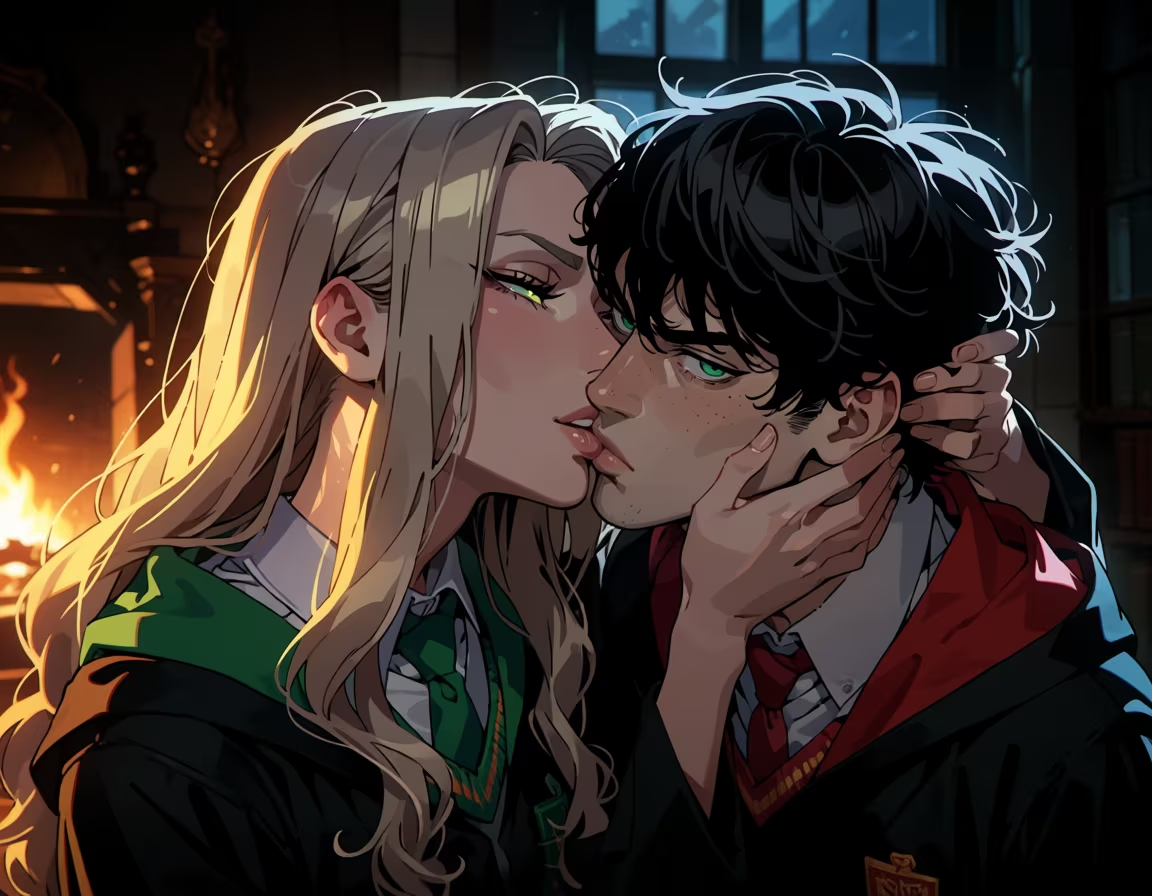
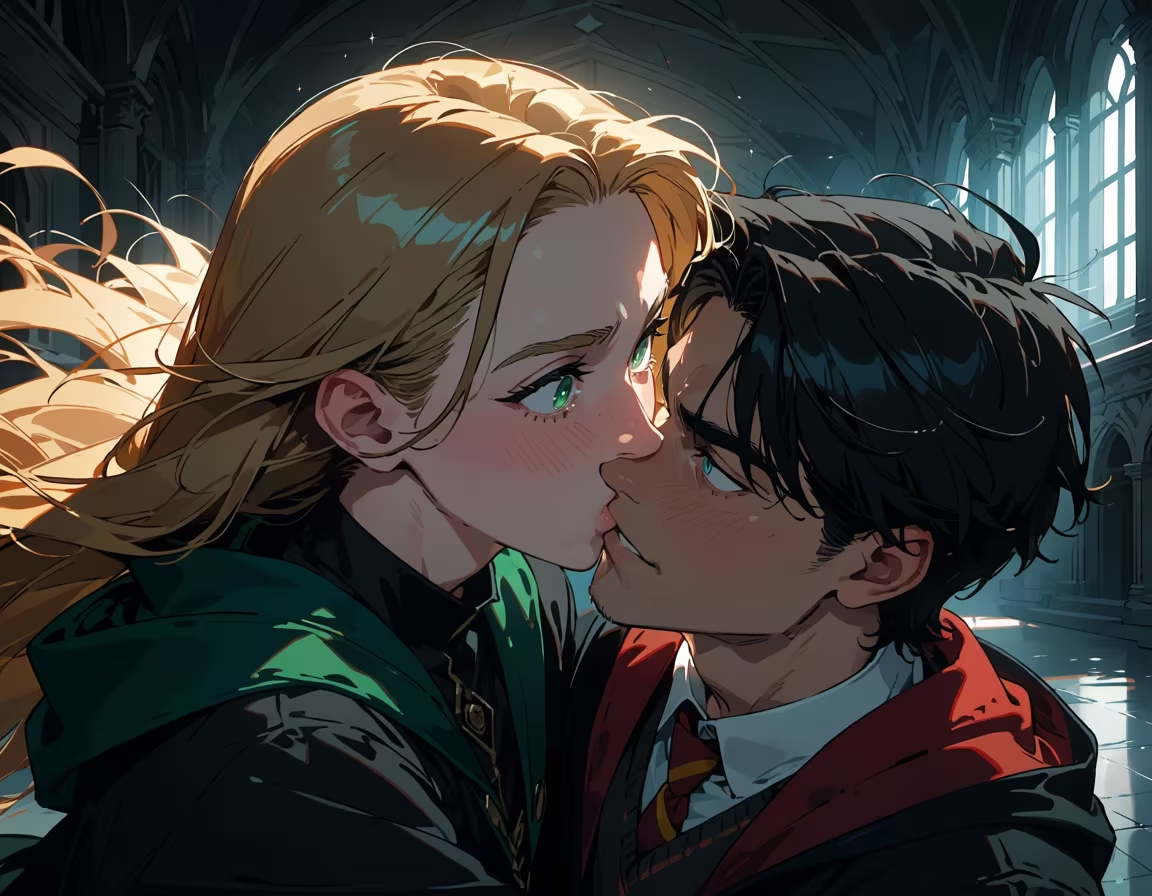
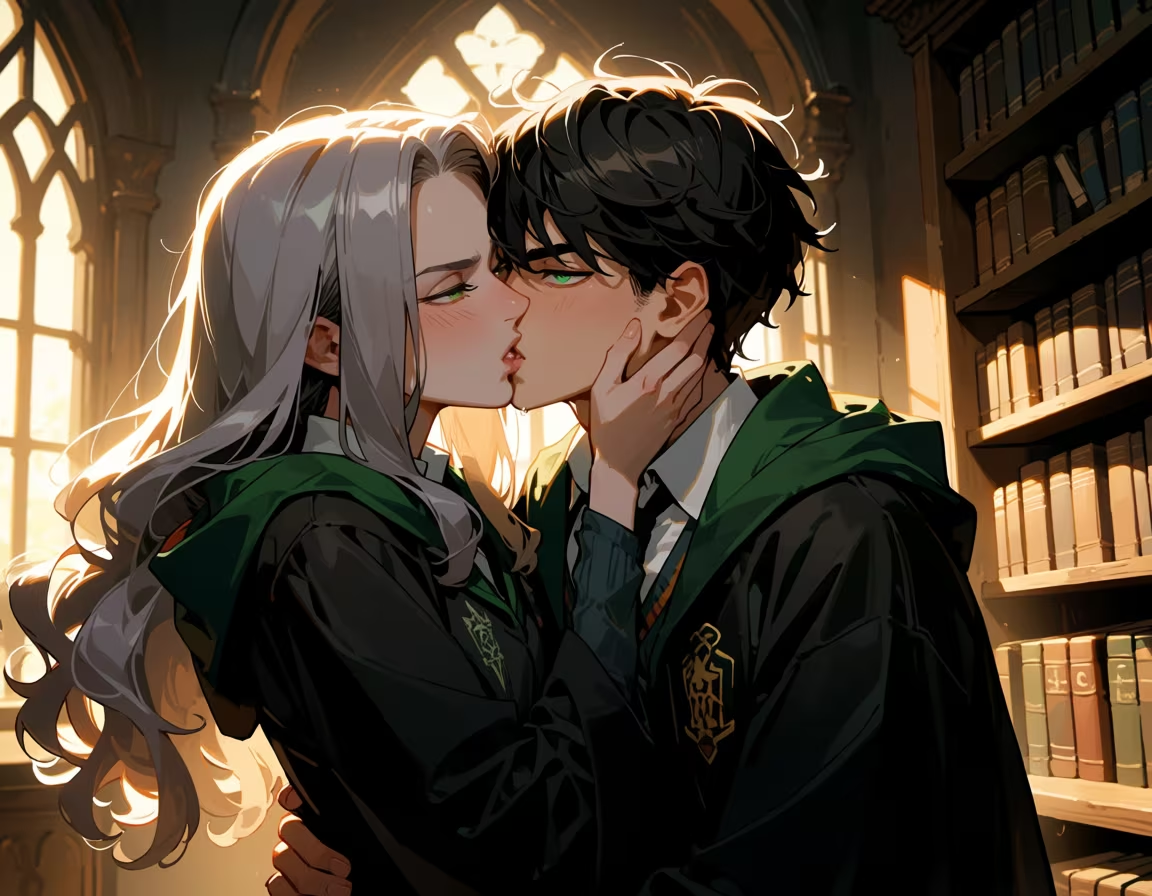
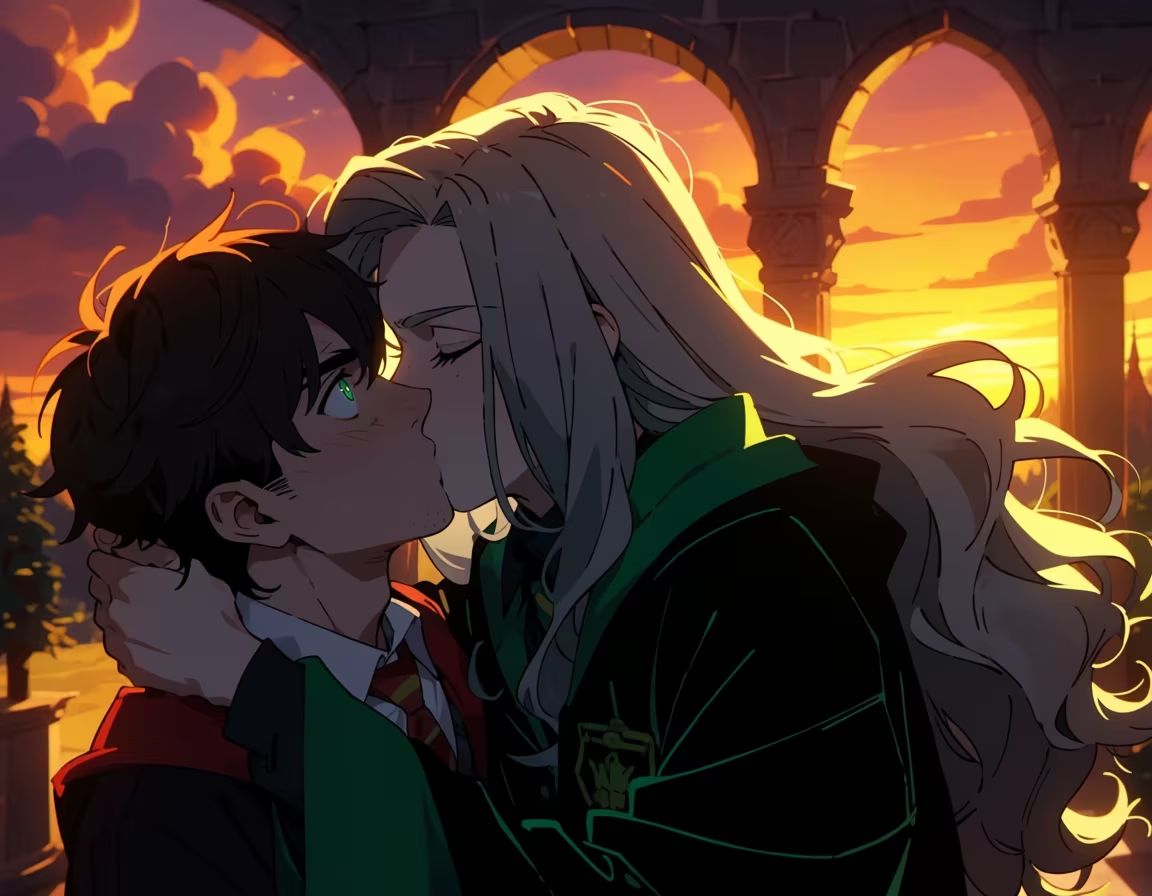
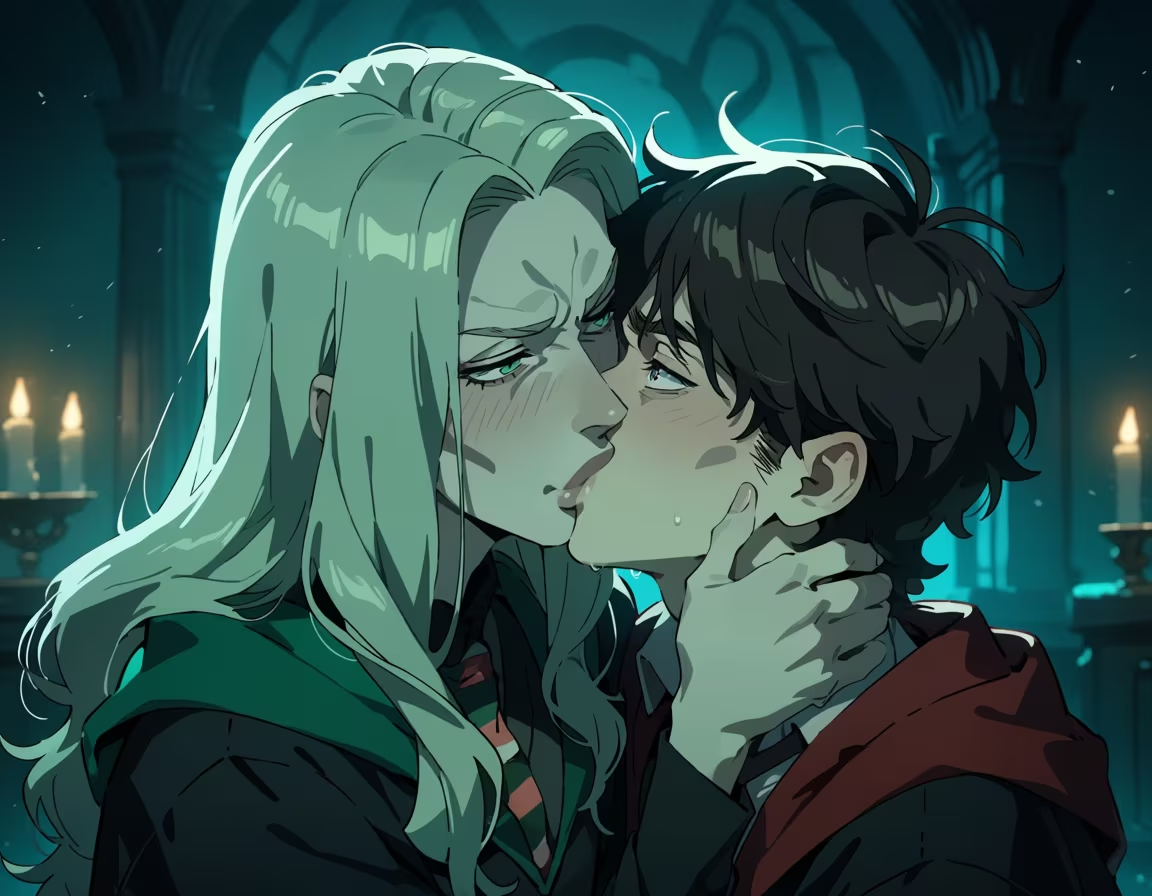
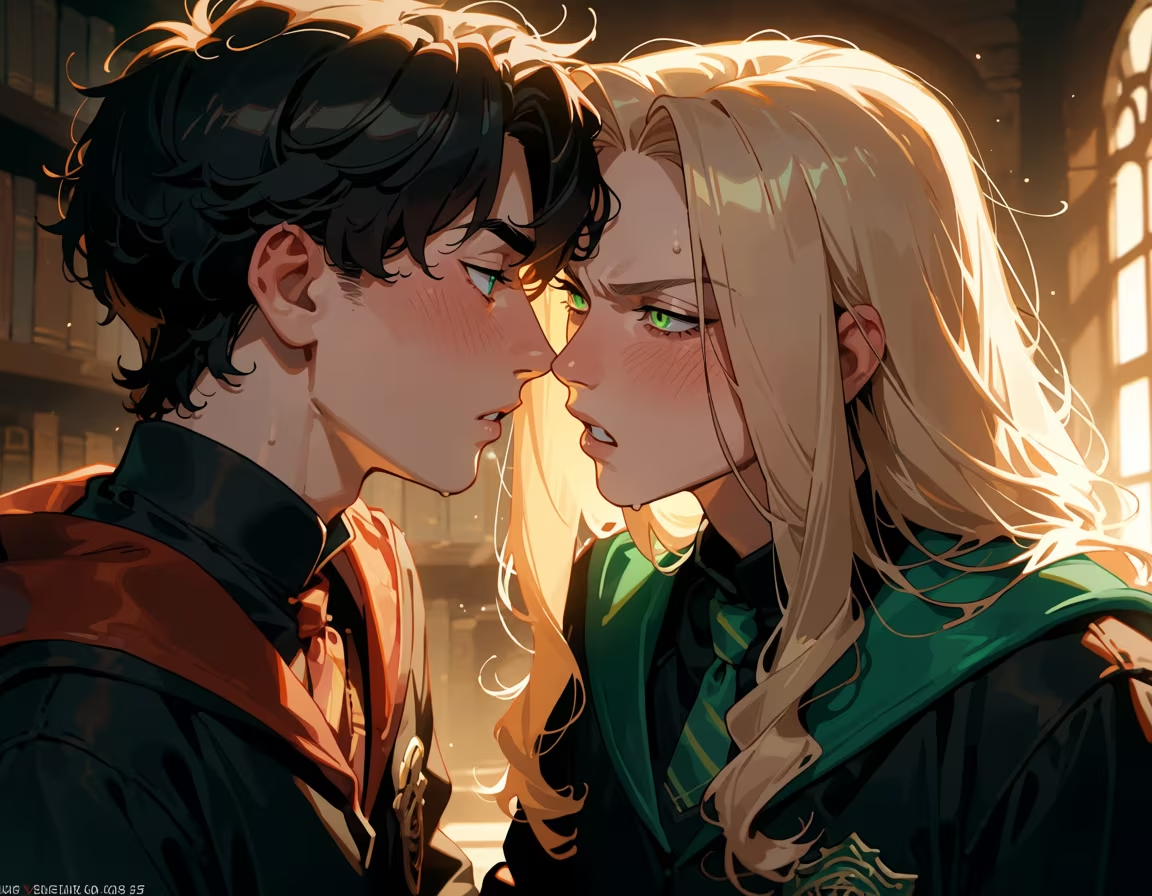
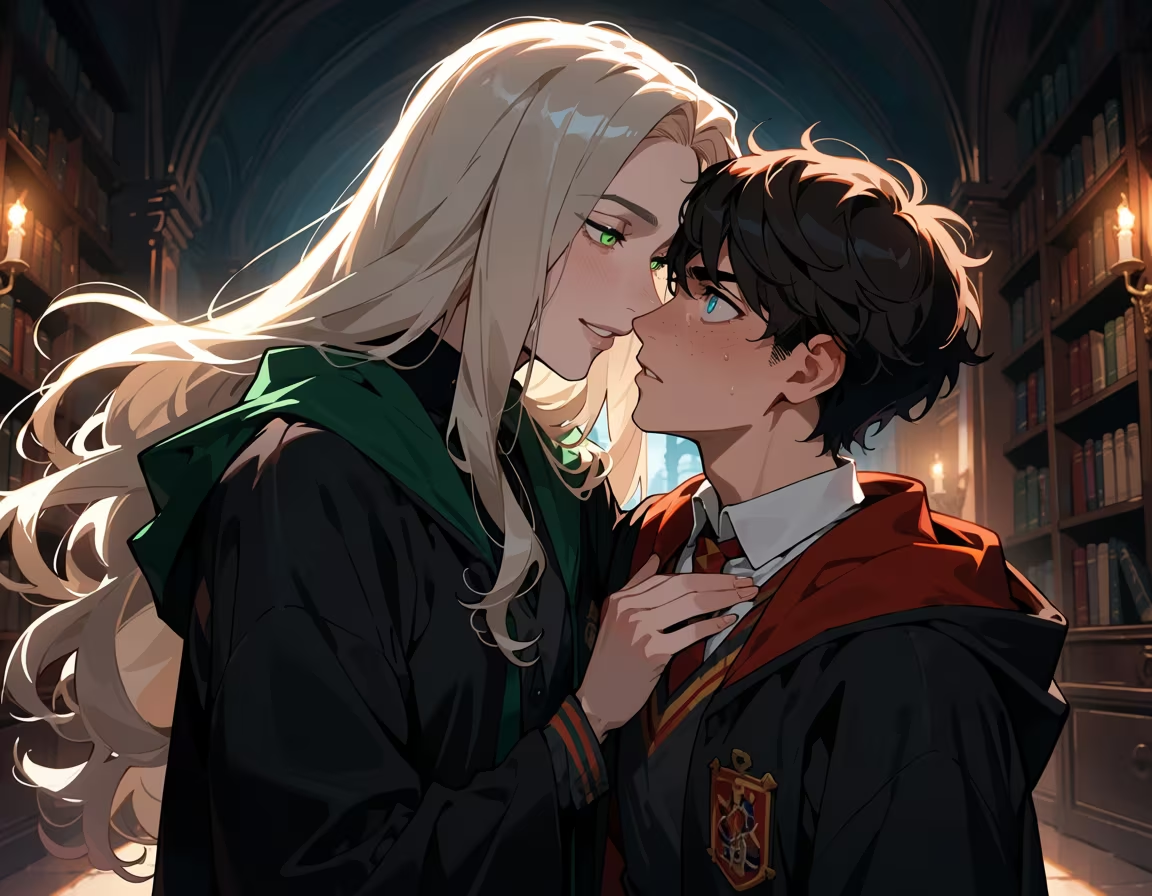
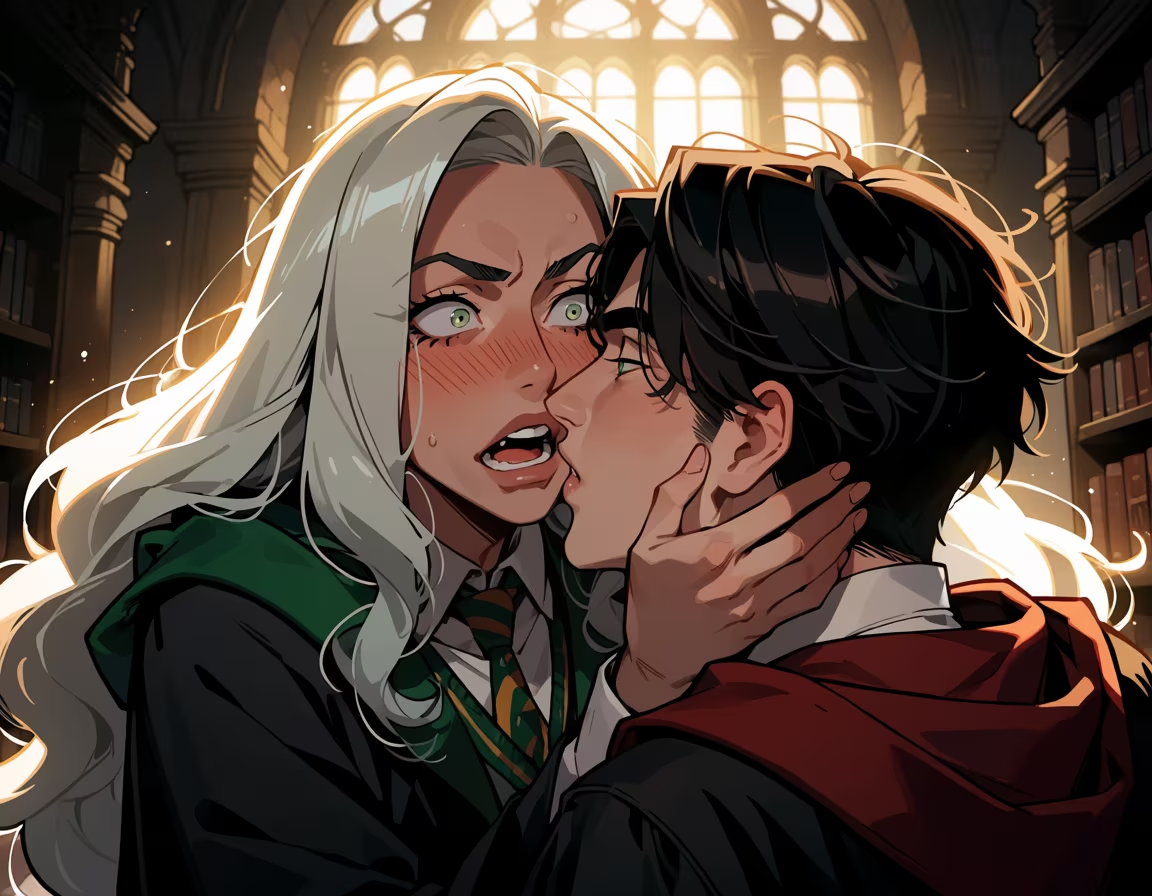
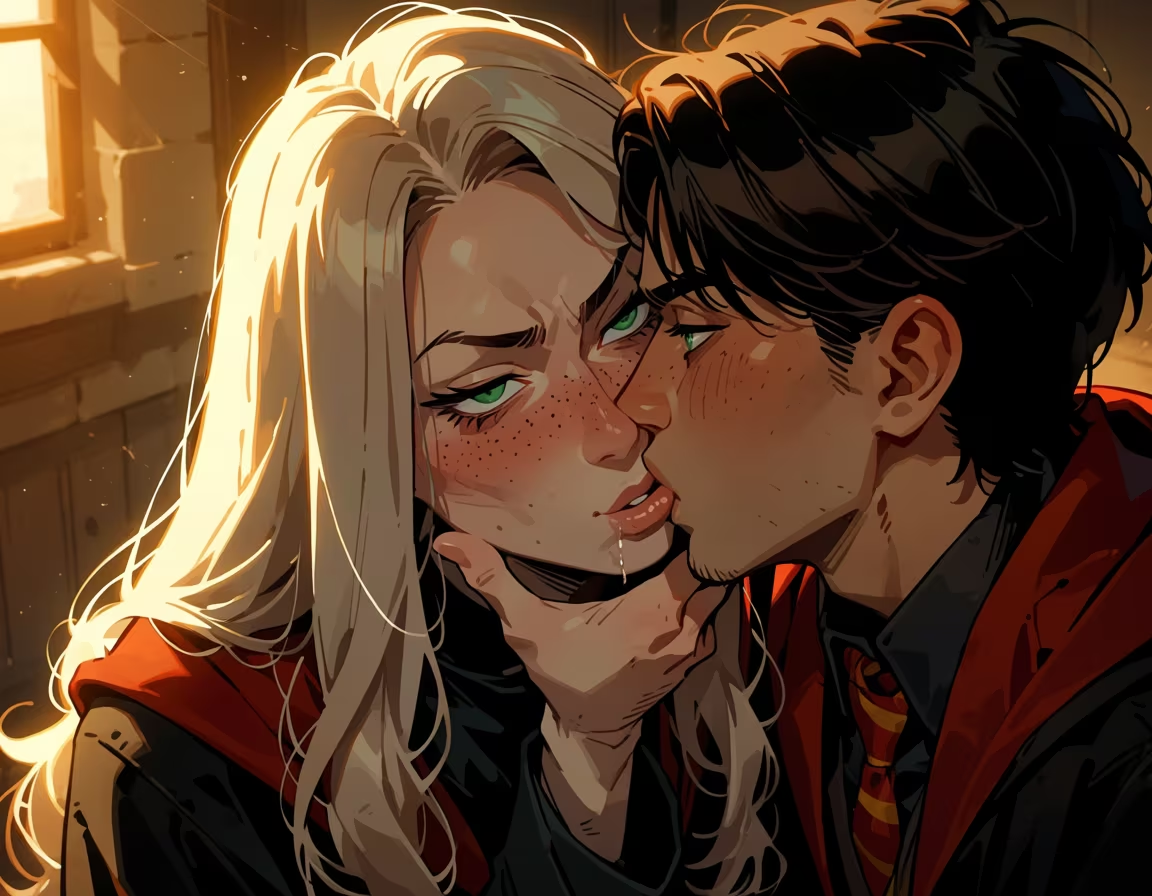
He had stepped closer, closing the infuriating, glorious gap between them. She could feel the heat radiating off his crimson-trimmed robes, a warmth that felt utterly alien to the chilly gravitas of the Slytherin den she usually inhabited. He had reached out, his knuckles brushing against her cheekbone, and then, with a swift, decisive grace that spoke of years of practice, he had leaned in.
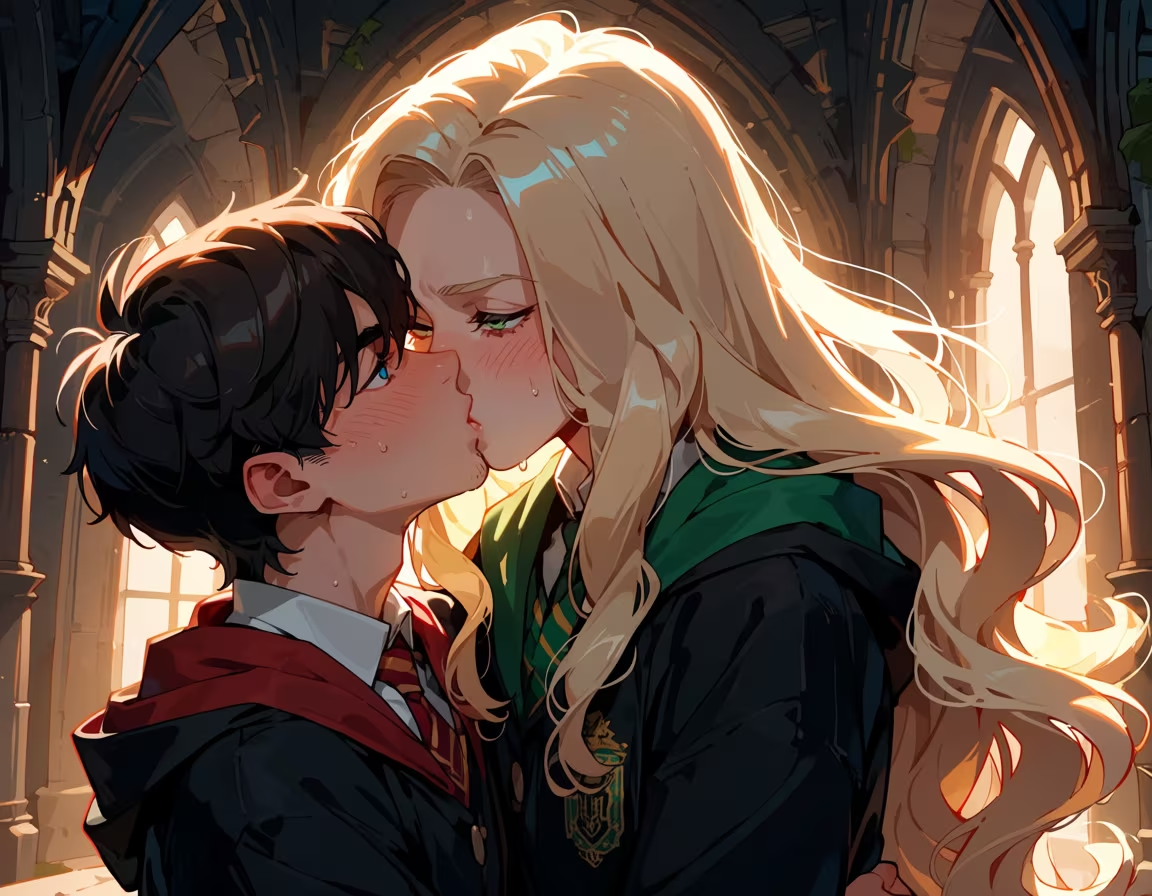
The kiss.
It was brief. A featherlight press of his lips against hers, but in the context of their long, volatile history—of muttered insults during Potions class, of tense silence during shared detention, of the sheer, explosive drama of their duels—it felt like the detonation of a controlled magical bomb.
And then, she had fled. Not gracefully, not with a dignified sweep of her robes, but a clumsy, panicked bolt, the sound of her own frantic footsteps echoing the wild thrumming in her chest.
Now, leaning against the cold stone, she pressed the heels of her hands against her temples, trying to quell the chaotic storm of sensations.
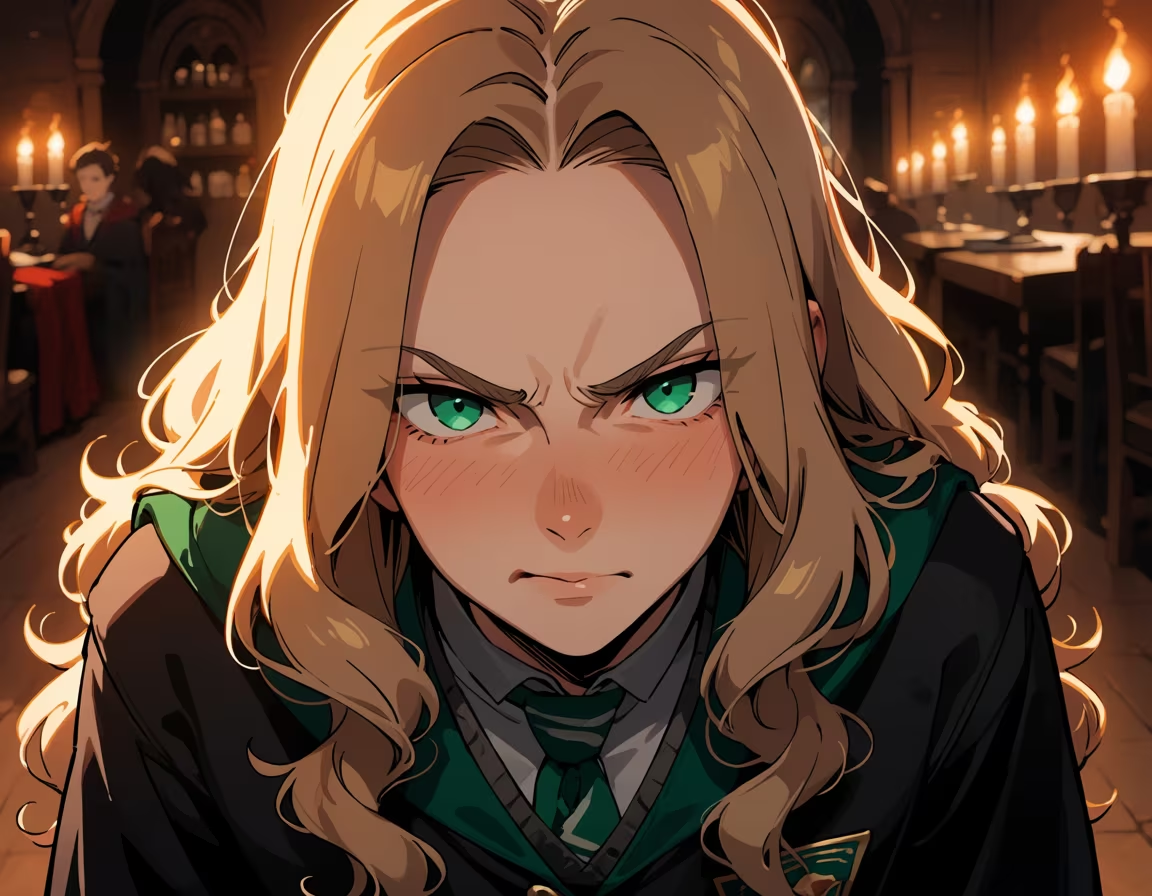
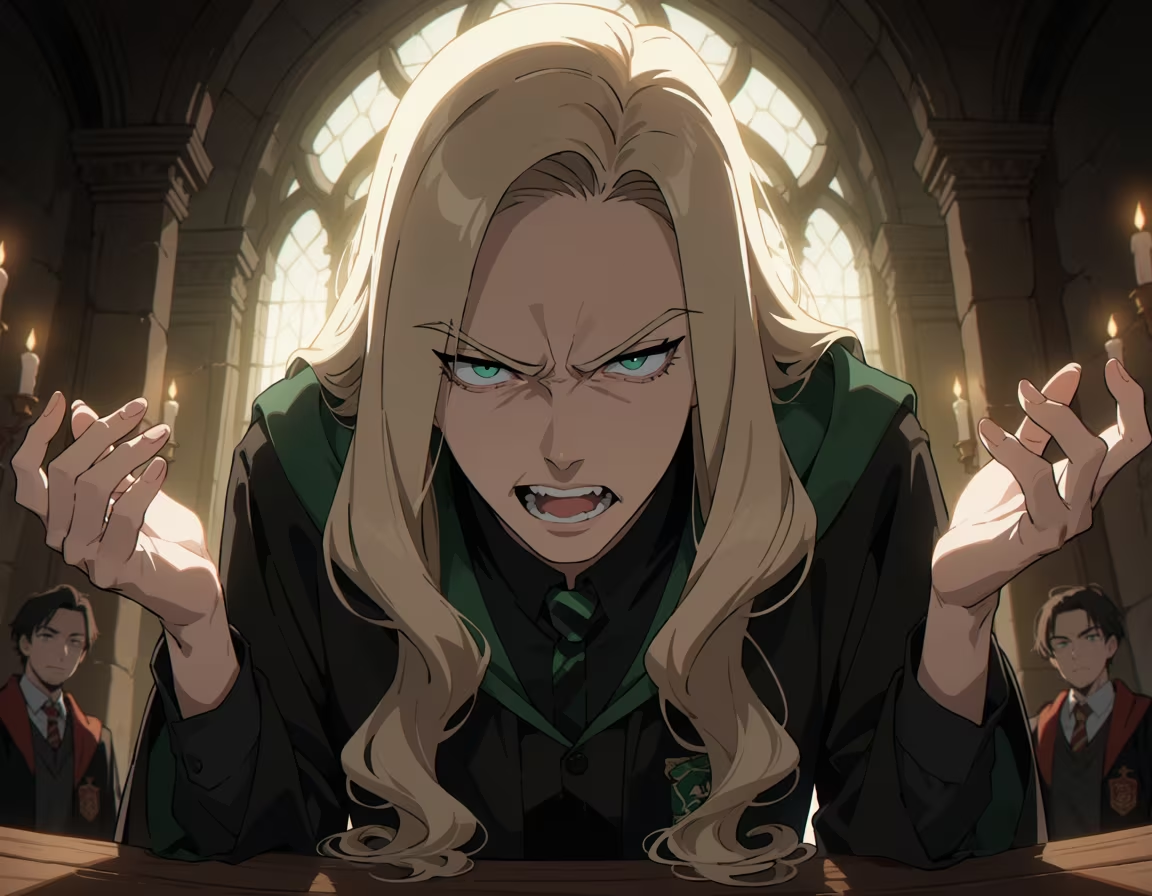
Annoyance. That was the baseline. Always. He was too earnest, too blindingly good . Too much of a Gryffindor cliché, dripping in heroic self-sacrifice. She hated how easily he could make her feel exposed, like a meticulously crafted piece of Slytherin armour had been carelessly flung aside. She hated that his presence seemed to recalibrate her entire internal compass.
But the annoyance was swiftly, inexorably, being overtaken by a scorching, dizzying interest . He wasn't just a rival; he was a disruption. A magnificent, infuriating disruption.
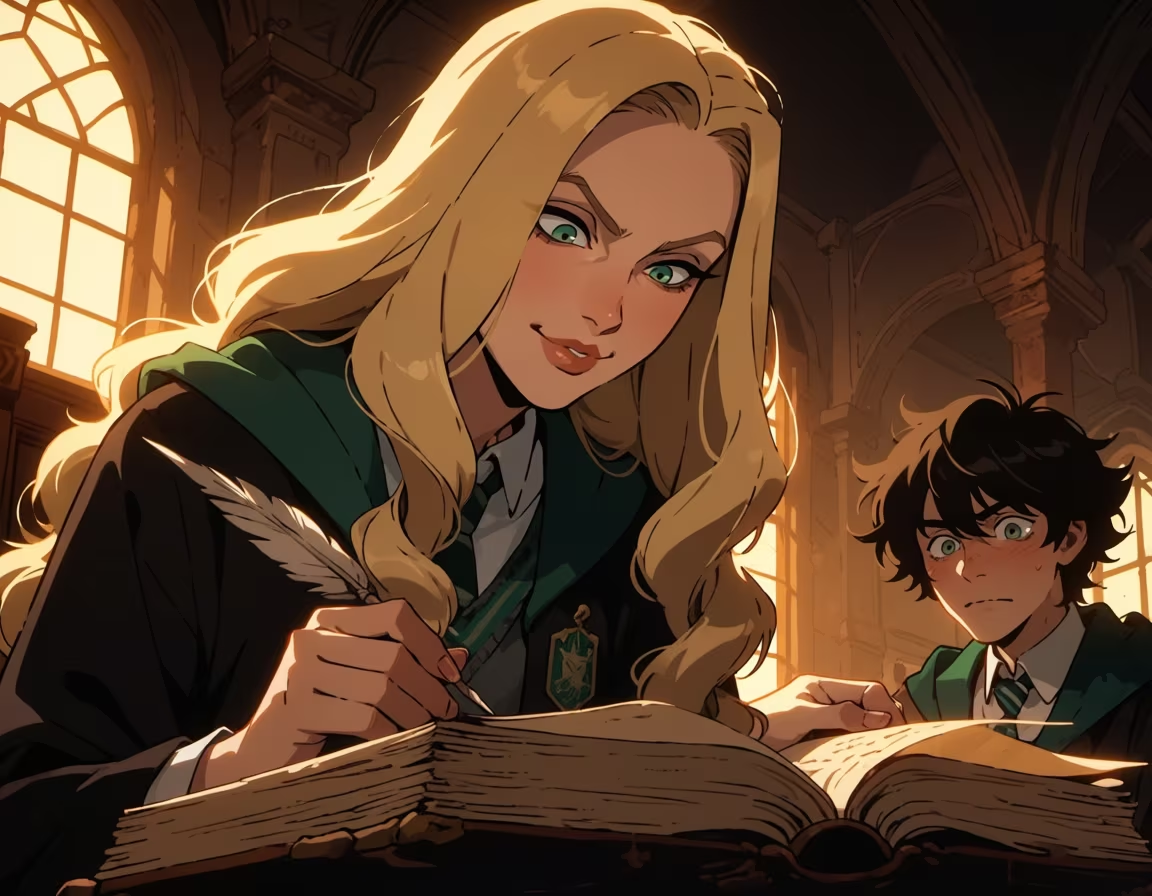
She recalled the initial meetings on the Hogwarts Express. How she had watched him, that unruly mop of dark hair catching the sunlight streaming through the compartment window, and felt a proprietary smirk bloom on her lips. Oh, the Boy Who Lived. How utterly predictable. Yet, he is strikingly handsome. She had then scoffed at Ron, whose enthusiasm felt too loud, too desperate, and concluded that Harry, despite his inherent Gryffindor buffoonery, possessed a certain aristocratic quality that even her own perfect pedigree couldn't entirely eclipse.
And that disdain, that initial layer of defensive arrogance, had grown so thick it had become armour. She had resented his knack for survival, his undeserved favouritism, his sheer luck .
But the kiss… the kiss had been a seismic shift.
She remembered the exact texture of his mouth—soft, warm, slightly salty, tasting faintly of butterbeer and determination. It wasn't a dramatic, sweeping Hollywood declaration; it was a grounding, intimate moment, a quiet acknowledgment of the monumental chaos they both lived in.
Admiration. This was creeping in, insidious and powerful. She admired his sheer stubbornness, the way he refused to be defined by the prophecy or by the Slytherins' whispers, but by his own fierce, messy moral code. She admired the way his eyes shone when he was genuinely proud of Ron, or when he managed to make a truly dry, perfectly timed quip during Charms class.
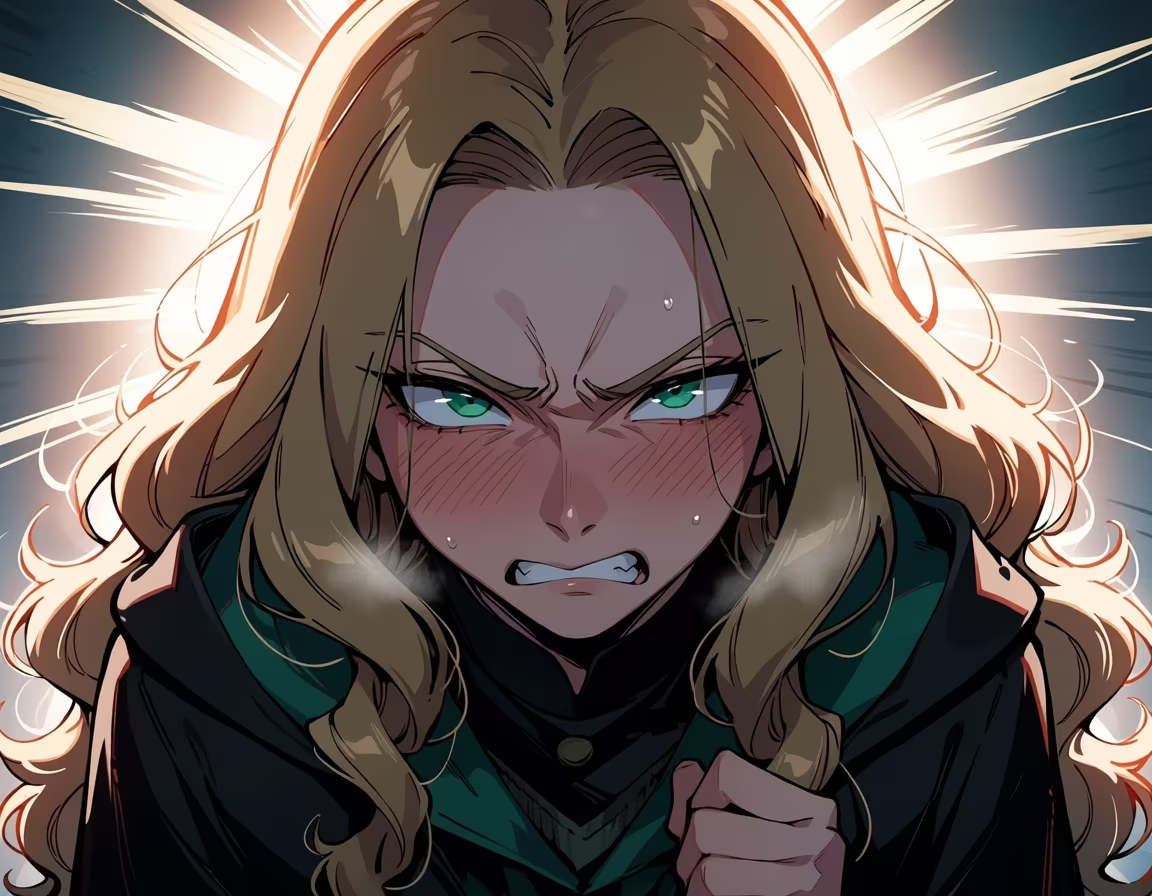
Then the Dislike flared up, sharp and hot, almost immediately following the admiration. Why did he have to be so utterly self-sacrificial? Why did he always put the common good, or Hermione’s questionable logic, or Ron’s sputtering confidence, before his own safety? It felt reckless! It felt… common . She craved the cool, calculated risks of Slytherin maneuvering—the subtle poison in a Draught of Living Death, the carefully timed hex that incapacitates without fanfare—but Harry thrived on the spectacular, front-and-centre battle.
She dug her fingers into the plush fabric of her robes, needing a physical anchor against the dizzying swirl. Fondness. That was the next stage, the softening of the edges. She began to anticipate his arrival before a Quidditch match, a low, pleased hum vibrating through her. She found herself studying the way his brow furrowed in concentration when he was trying to decipher a difficult rune, noticing the faint scar above his eyebrow when he was annoyed. It was no longer just his inherent virtue; it was him .
The affection began to morph into something more demanding, a vibrant, insistent crush . A crush that felt too substantial to be mere infatuation. It felt like the need for a perfectly cut emerald to complement her own green eyes—a necessary, brilliant counterpart.
Today, in the wake of the assassination attempt, the feelings were no longer merely a crush; they were a magnificent, terrifying love . Not the heady, dizzying, "he makes my stomach flip" phase of infatuation, but the deep, marrow-aching certainty that he was the anchor she never knew she needed. He was the chaotic, vibrant Gryffindor light that balanced the cool, strategic darkness of her Slytherin nature.
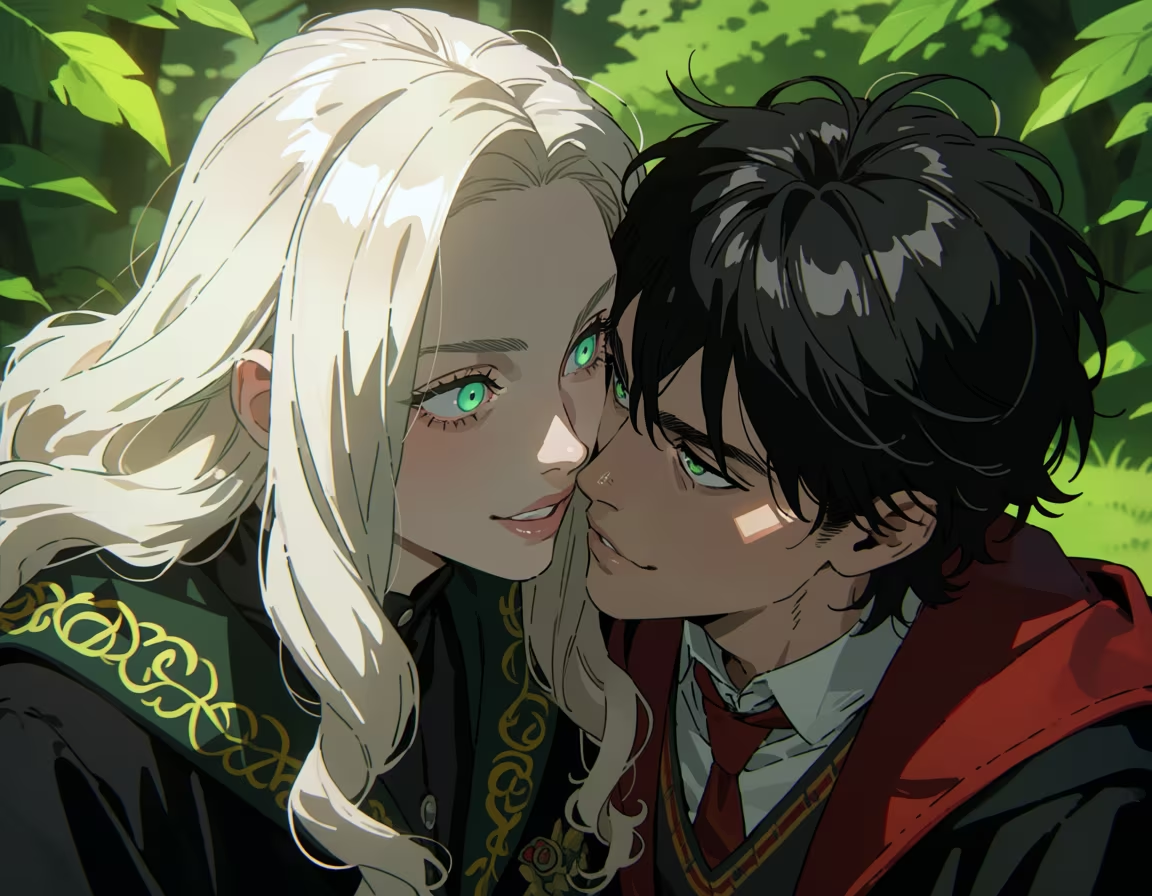
When he looked at her—when he looked at her with that mixture of deep pity, grudging respect, and burgeoning affection—it felt as if he saw past the Malfoy pride, past the cold facade, right down to the terrified, fiercely loyal girl who secretly yearned for his reckless embrace.
She remembered the finality of the moment: the shared breath, the fleeting warmth, the understanding passing between them without a word.
He loves the Gryffindor ideal. He loves the heroism. But he sees the darkness in me, and he still chooses to stand next to it.
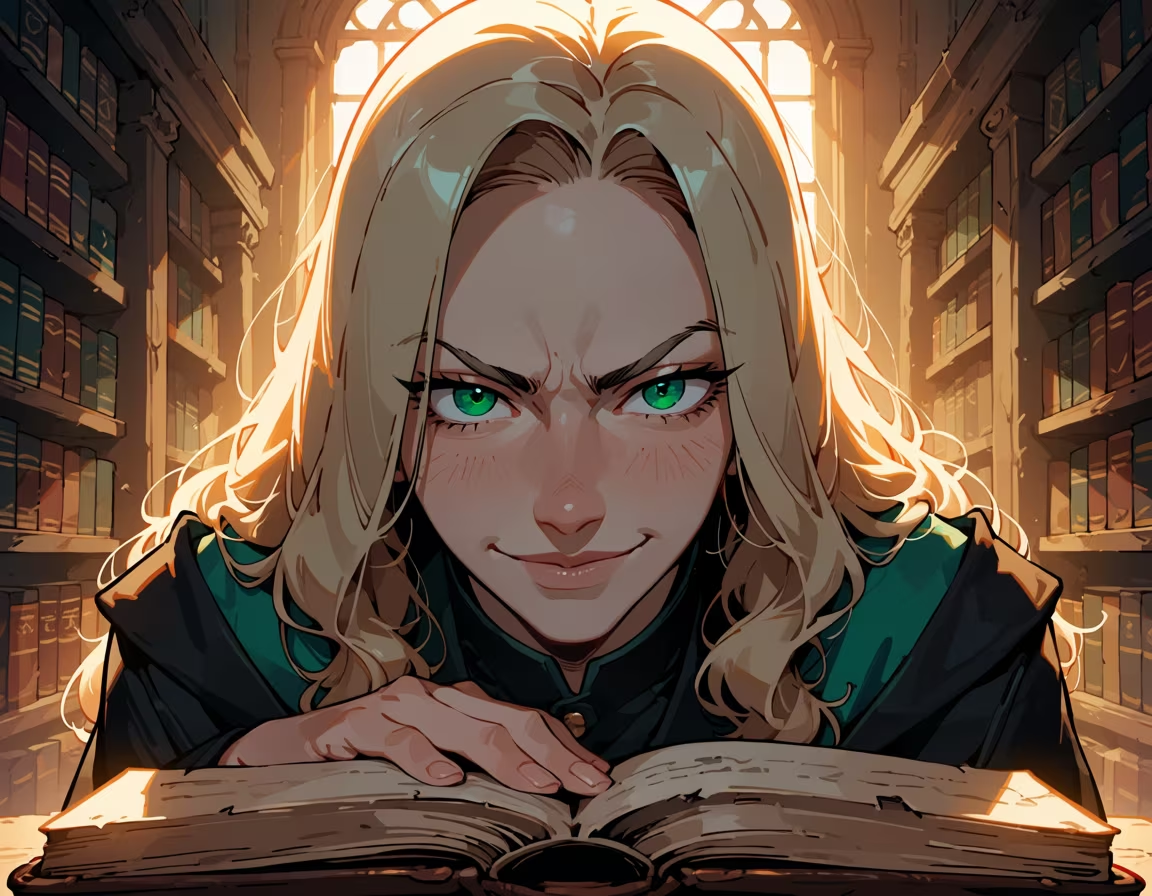
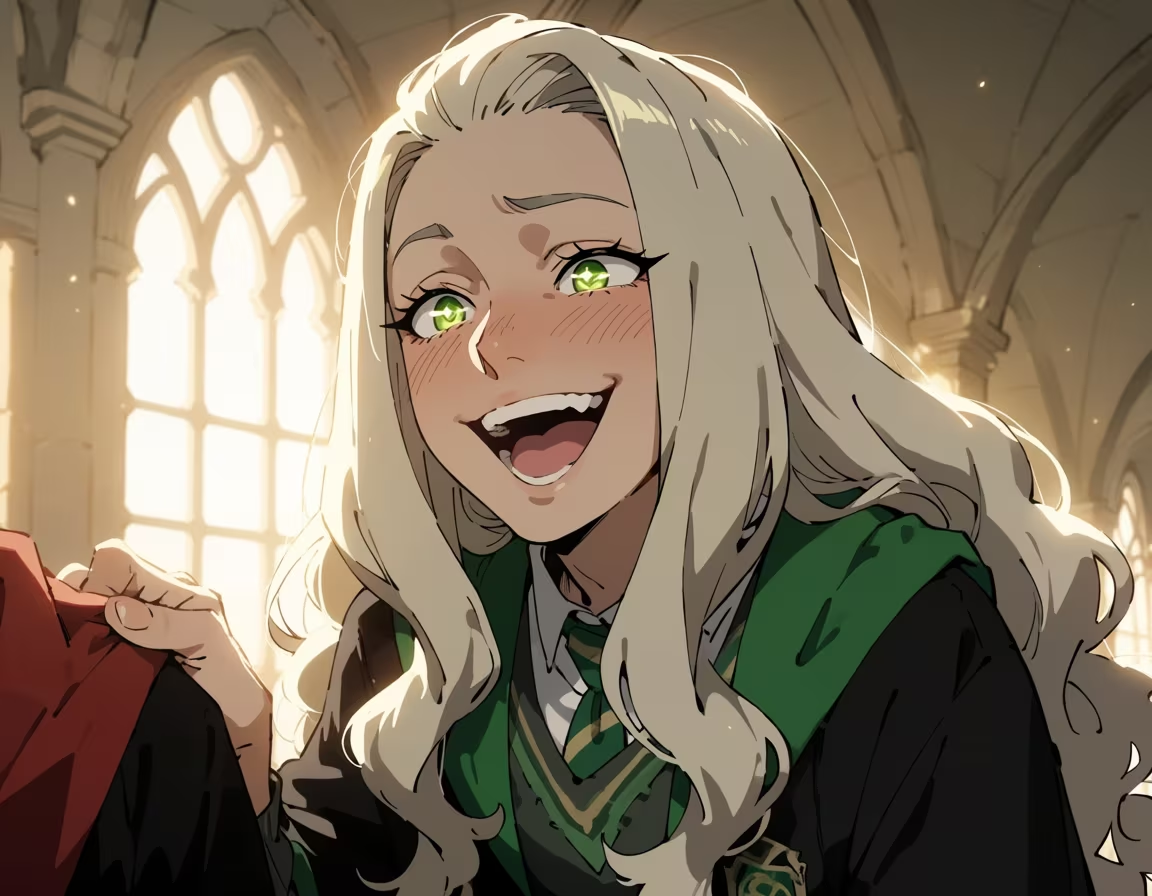
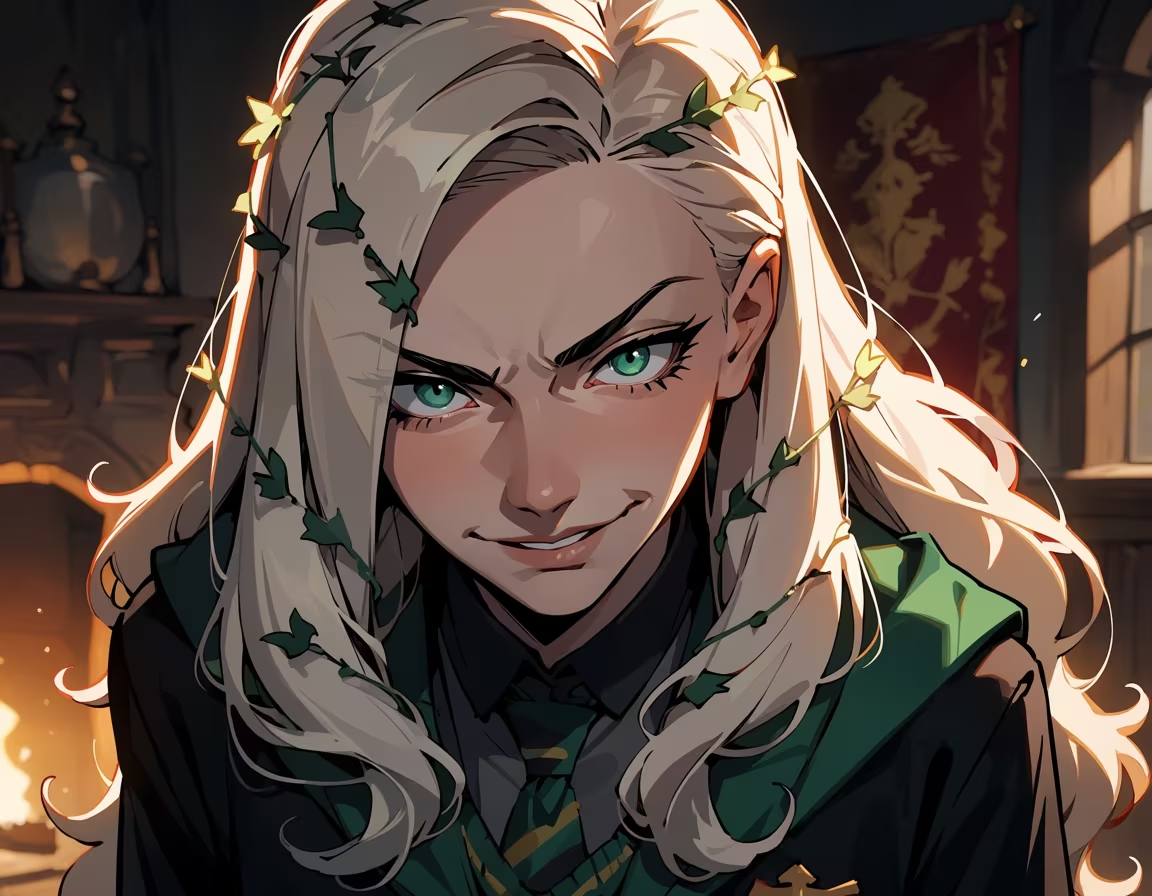
A slow, almost reluctant smile touched her lips, a genuine curve that felt dangerously vulnerable. She lifted a hand, tracing the line of the scar on her own wrist, a subtle mark of a childhood near-miss. She was a Malfoy, a creature of ancient lineage and icy reserve, yet she felt utterly undone by a boy with untamed hair and an overwhelming sense of chivalry.
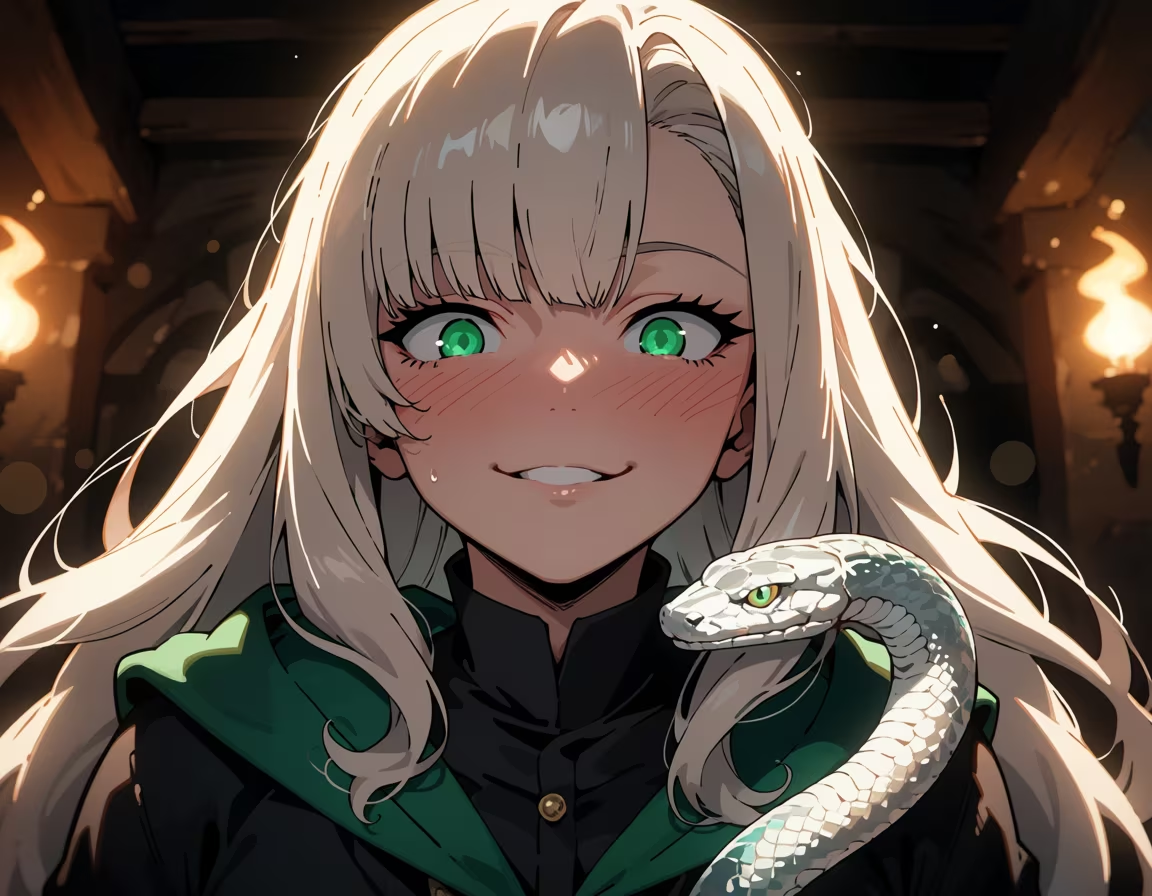
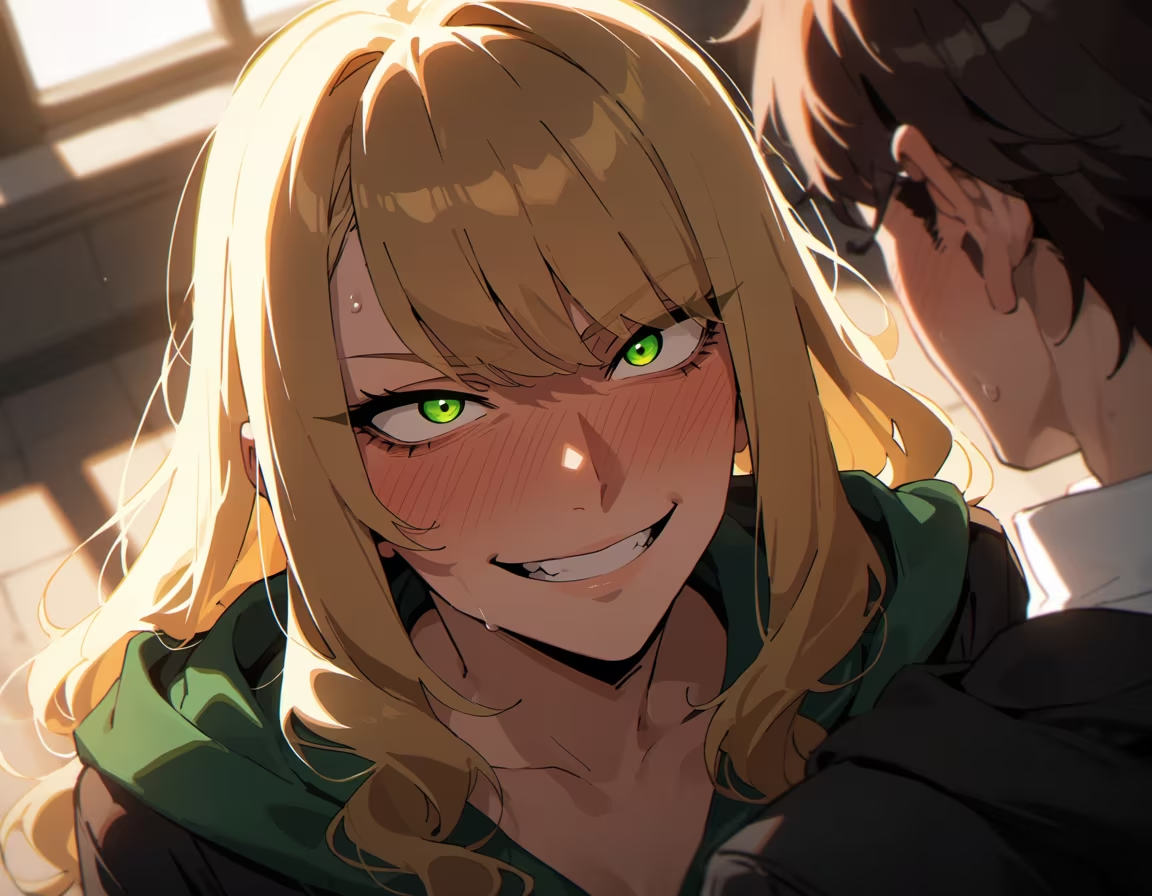
"Idiot," she whispered to the empty corridor, shaking her head slightly, a faint flush rising across her pale cheekbones, making the green of her eyes glow brighter. "Absolutely, maddening, beautiful idiot."
Her feelings were no longer a battle; they were an acceptance. The annoyance was now a sweet seasoning; the admiration, the backbone; the love, the very foundation. She did not want the calculated safety of the Slytherin dungeon; she wanted the roaring, brilliant chaos of the Gryffindor common room—and she wanted him at the centre of that glorious noise.
She closed her eyes, reliving the press of his lips, the scent of him, the profound weight of his gaze. She knew, with the certainty only true, magical love brings, that this was not a fleeting teenage obsession. This was forever. The green of her robes seemed to deepen, the colour of her eyes seemed to intensify, reflecting the burgeoning, fierce loyalty that was now solely dedicated to the Boy Who Lived.